
Teachers describe a deterioration in behaviour and attitudes that has proved to be fertile terrain for misogynistic influencers
“As soon as I mention feminism, you can feel the shift in the room; they’re shuffling in their seats.” Mike Nicholson holds workshops with teenage boys about the challenges of impending manhood. Standing up for the sisterhood, it seems, is the last thing on their minds.
When Nicholson says he is a feminist himself, “I can see them look at me, like, ‘I used to like you.’”
Once Nicholson, whose programme is called Progressive Masculinity, unpacks the fact that feminism means equal rights and opportunities for women, many of the boys with whom he works are won over.
“A lot of it is bred from misunderstanding and how the word is smeared,” he says.
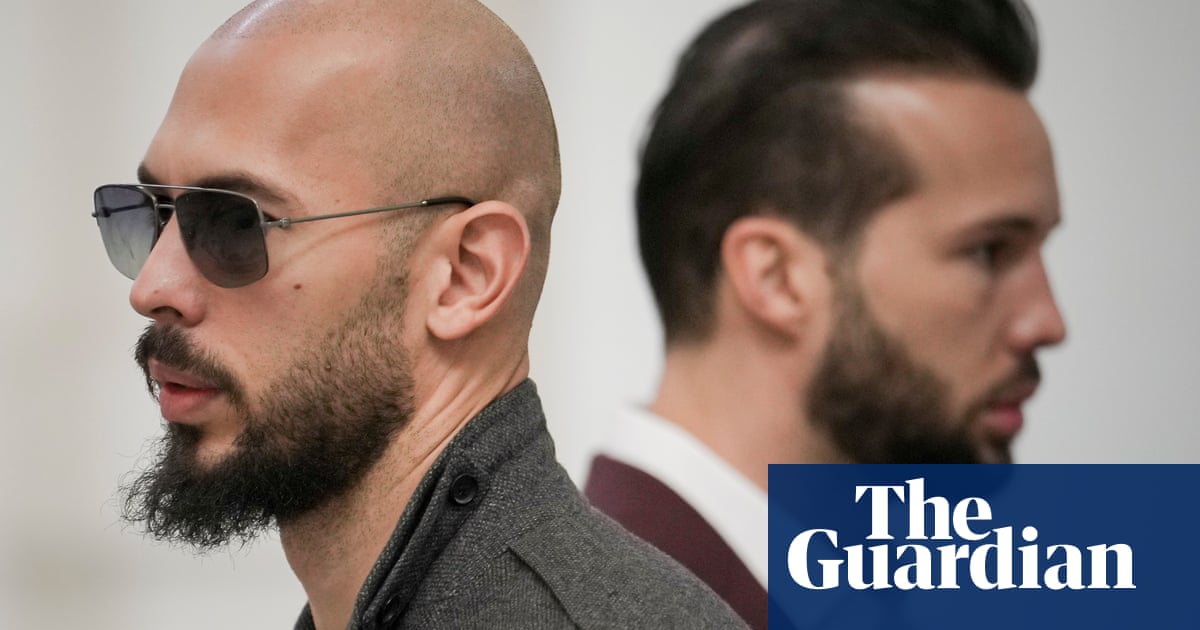
But he is battling against what he calls a “dominance-based model” of masculinity. “These old-fashioned, regressive ideas are having a renaissance, through your masculinity influencers – your grifters, like Andrew Tate.”
Thanks for explaining! Let me explain why I disagree with this in general. I’ll share a personal anecdote, bear with me please.
So, a feminist friend shared with me a book on human trafficking for sexual exploitation written by a group of investigative journalists that she had helped translate to Serbian. It was thoroughly researched and well documented. Reading it left a mark on me and taught me things about the world that shatter the childish worldview (this was decades ago, I was a young teenager at the time).
Now, the Serbian translation was prefaced by my friend’s fellow activist who was clearly a misandrist. The preface was filled with slurs and general assumptions of complicity and guilt about exclusively men, despite the fact that even the very book the preface was for stated that men also get trafficked (though less), and that women themselves are not rarely involved in the illegal trafficking chains of operation (think Ghislane Maxwell).
Reading that preface made me feel unjustly attacked and I would have dropped the book and never got to the good, educational part, had it not been for my friend’s highest recommendation (I’m glad I stuck with it). It turns out the woman who wrote this had had bad experiences with men in her life, and used this otherwise well researched book as a vessel to vent her personal hate for men, which was borne out of her own trauma.
While it can be considered “justified” that she feels this way, this damaged greatly the overall message of the Serbian translation, which clearly took a lot of effort to research, document and write, and than translate and publish in my country. Its educational impact was greatly diminished by the editor’s choice (out of activist camaraderie, I’m assuming) to include the hateful text at the very beginning, which unjustly attacks the very audience who would most benefit by learning from the unbiased body of the book. It’s a tragically missed opportunity.
While social media exacerbates these issues (all this happened long before social media existed), and bad faith actors attempt to skew positive feminist messages, I think we shouldn’t excuse the feminist movement for some of its own failings.
To conclude, I’m a male feminist, but I think writing “all men are thrash” or “all cops are bastards”, or "all are " in general in the public sphere is irresponsible.