I think most software like this grows to a certain size and then they need the telemetry to identify issues. There’s so many hardware configurations and most people don’t submit bug reports or opt into their configuration being shared. It’s not an inherently bad thing, just some companies are taking more than they need.
Windows telemetry started with Windows 10. Windows 7 was the most stable Windows ever and hardware configurations were just as plentiful. Sure, the data helps but it’s hardly mandatory.


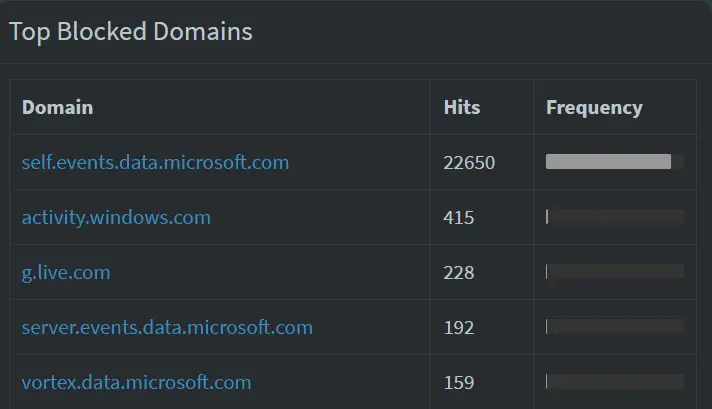
Desktop linux doesn’t have any of this. And one day we’ll get real linux on phones too (with full featured support).
Canonical Ubuntu does or at least did though. Caused a shitstorm years ago despite it being opt-in back then. I don’t know how they do it nowadays.
KDE also has opt-in usage tracking but I trust that project enough to believe it’s really only for improving the software.
I think most software like this grows to a certain size and then they need the telemetry to identify issues. There’s so many hardware configurations and most people don’t submit bug reports or opt into their configuration being shared. It’s not an inherently bad thing, just some companies are taking more than they need.
Windows telemetry started with Windows 10. Windows 7 was the most stable Windows ever and hardware configurations were just as plentiful. Sure, the data helps but it’s hardly mandatory.
deleted by creator
You mean like the Linux kernel?
deleted by creator
Are you aware oft open source CPU cores?
deleted by creator
Basically the same approach
deleted by creator
Why do you call the approach simple? Have you done open source development? Maybe touch some grass.
https://hackaday.com/2022/09/10/the-open-source-rotary-cell-phone-two-years-later/
https://en.m.wikipedia.org/wiki/List_of_open-source_mobile_phones