Diamonds are popular gemstones surrounded by popular misconceptions. We'll tell you how they became so prized and debunk some of those diamond myths, too.
Not sure from jeweler perspective, they might be hard to put into jewelry.
But synthetic sapphire is relatively easy to produce, enough that it’s used for watch faces.
I’m wearing a watch with a sapphire lens right now! From what I understand, the tradeoff between different watch faces are how easy/hard they are to scratch vs shatter, with sapphire being the most scratch proof and a plastic polymer (I don’t remember which) being the most shatter resistant.


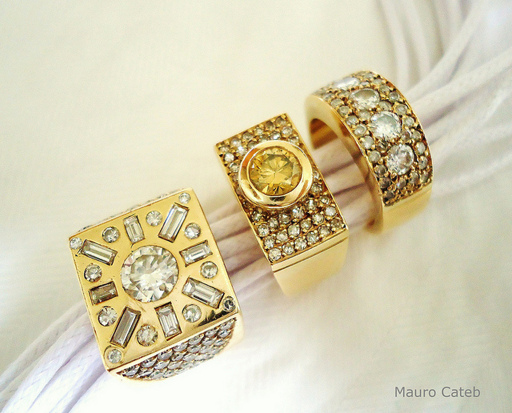
Really? The jewler and goldsmith told me opposite
Not sure from jeweler perspective, they might be hard to put into jewelry.
But synthetic sapphire is relatively easy to produce, enough that it’s used for watch faces.
https://en.wikipedia.org/wiki/Sapphire#/media/File:Sapphire_boule,_Kyropoulos_method.jpg
I’m wearing a watch with a sapphire lens right now! From what I understand, the tradeoff between different watch faces are how easy/hard they are to scratch vs shatter, with sapphire being the most scratch proof and a plastic polymer (I don’t remember which) being the most shatter resistant.
They also use them in high-end watches as tiny bearings for the movements IIRC
Correct, if a watch says 17 or 21 jewels that’s what they’re referring to. Although unlike the lens they’re typically a reddish color.
*The red is from them being ruby not sapphire.