
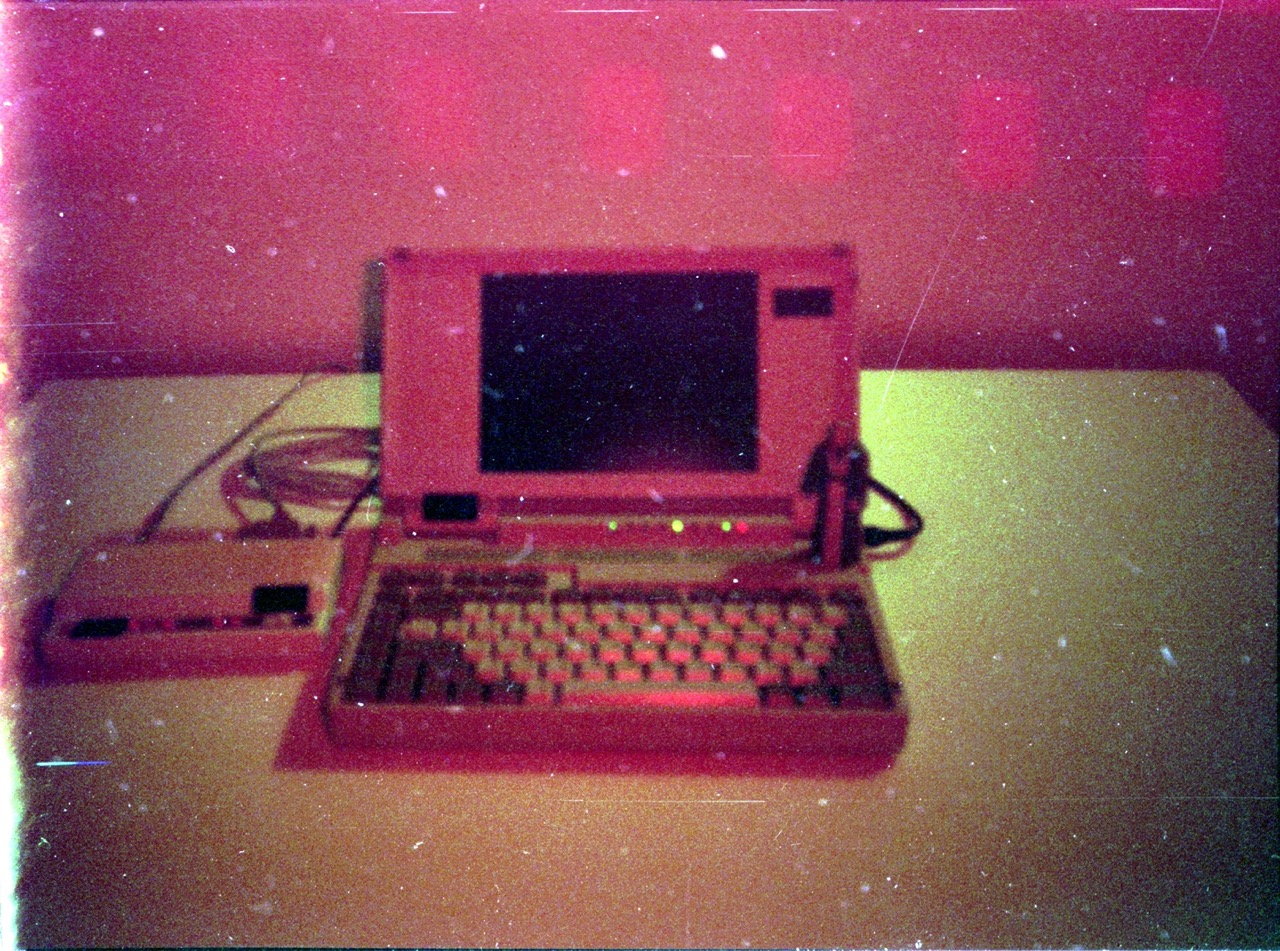
It’s a good candidate since it sounds like there’s no precision mechanical components like there would be in a hard drive. Does anyone have ideas for how I’d go about this? Is there a barrier I’m not considering?
I know how to make basic semiconductors already, so that’s not an issue.
Edit: I’ve got an answer written down in the comments now. TL;DR you’d still need lithography to do it the OG way, because of the patterned magnetic material that directed bubbles around the medium, but material requirements are actually pretty flexible.
I only vaguely really know what’s going on. I did some more research after commenting, and I think I understand a little bit more. The TI bubble memory has two separate layers. On of them, the ‘magnetic epitaxial film’, basically has a lot of magnetic molecules arranged to point in the same direction. The second layer has circles made of some nickel-iron alloy. What I think is happening is that the actual magnetic bubbles are held on the film, and the iron circles act as tracks the bubbles are pulled along. I don’t think electrons in the bubble are actually moving, but I think the electron spin is. That would explain why the loops are capable of moving the bubbles faster than electrons.
Hmm. I’ll keep researching too. Thanks for the help.